Loutraki Wellness Guide: Thermal Springs, Spas & Relaxation
Article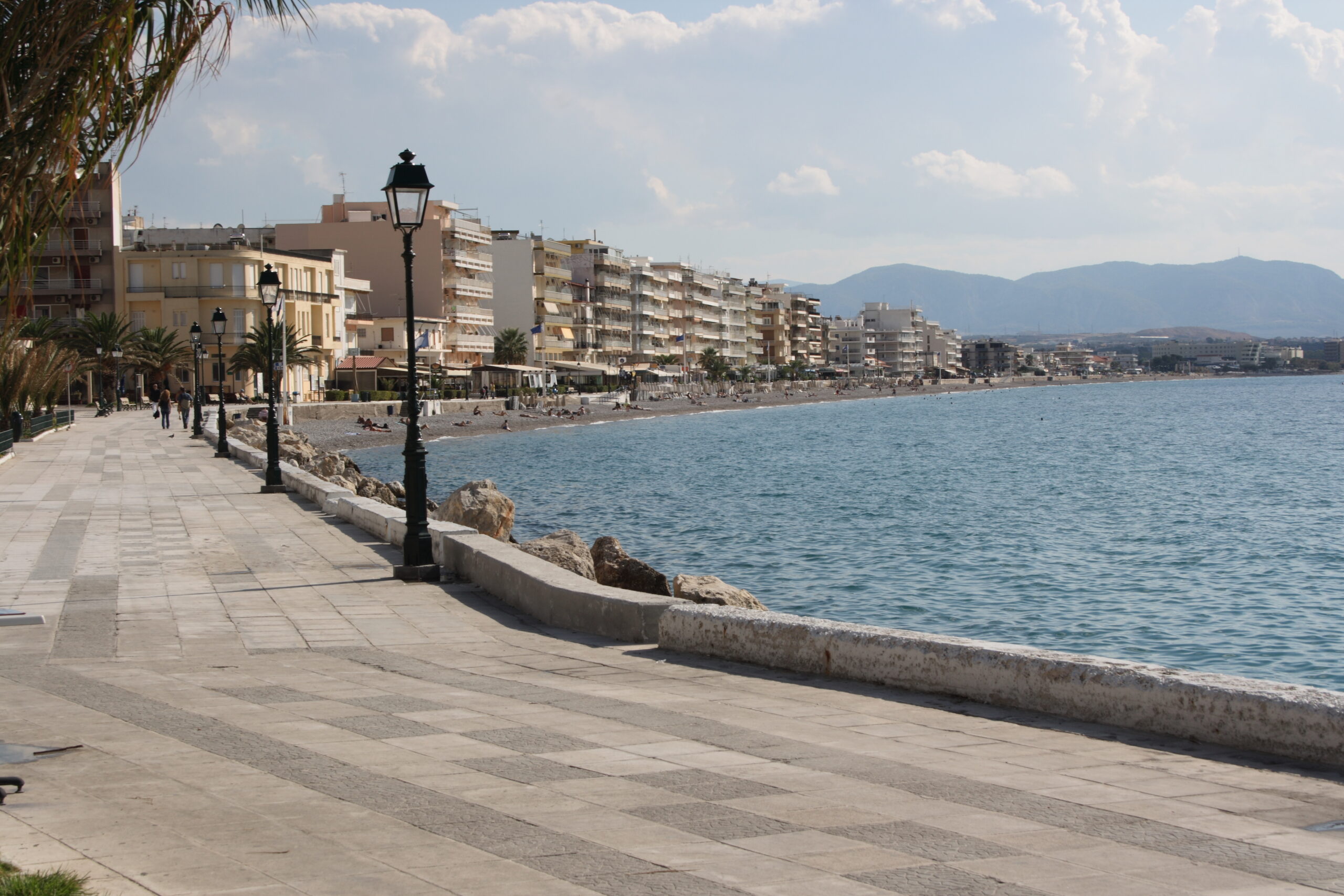
Loutraki is not just another coastal town in Corinthia; it is a timeless symbol of wellness and therapeutic tourism with roots reaching deep into antiquity. Known since ancient times as “Thermae,” Loutraki has been synonymous with its healing springs and the protection of the goddess Artemis. Today, it stands as one of Greece’s premier destinations for those seeking a balance between body and spirit, seamlessly blending Belle Époque elegance with state-of-the-art spa infrastructure. Whether you are looking for medical hydrotherapy or a luxurious weekend of pampering, Loutraki remains the “Queen” of Greek spa towns.
A Journey Through the History of Healing Waters
The history of Loutraki as a spa destination began thousands of years ago. The ancient Greeks, and later the Romans, fully recognized the therapeutic properties of the springs bubbling up from the foothills of the Geraneia Mountains. Historical accounts by Xenophon mention the Spartan hoplites retreating here after battles to heal their wounds and regain their strength in the warm waters. Even the Roman General Sulla was said to have found relief in these very springs.
In modern times, the first analysis of its waters was made in 1847, and in 1855 the first bath house, a wooden building with ten baths, was built. The town flourished in the early 20th century, gaining the prestige of a cosmopolitan resort that hosted royalty, prominent politicians, and the financial elite of the era. The historic 1934 “Thermai” building, with its iconic circular architecture and exquisite mosaics, still stands as a testament to this golden age. Today, the water remains the undisputed protagonist of the city, flowing freely from public fountains and specialized treatment centers alike.
The Loutraki Thermal Spa: A Modern Sanctuary
In the heart of the city lies the Loutraki Thermal Spa, a massive 5,000-square-meter health and beauty complex. It is a masterpiece of wellness tourism, housed in a building that respects the city’s architectural heritage while offering ultra-modern facilities. The facility utilizes the natural thermal water—rich in magnesium, sodium, and carbonates—to provide a holistic relaxation experience.
Premium Services and Facilities
- Indoor and Outdoor Pools: Visitors can immerse themselves in large pools filled with thermal water kept at a constant, soothing temperature. The mineral content helps with muscle relaxation and joint relief.
- Hydromassage and Jet Showers: Specialized water pressure systems provide deep tissue massage, significantly improving blood circulation and lymphatic drainage.
- Sauna and Steam Baths: High temperatures combined with the mineral-rich steam help detoxify the body and clear the respiratory system.
- Tailored Body and Facial Treatments: Expert therapists offer everything from essential oil massages to mud therapy and beauty treatments that leverage the trace elements found in the local water.
For more details on specific treatments and booking, you can check the αναλυτικά εδώ: https://visitcorinthia.com/blog/loutraki-iamatika-loutra-spa-odigos/.
The Science of Wellness: Why the Water Works
The therapeutic water of Loutraki is classified as sub-thermal, chloric-sodium, and slightly alkaline. Its unique mineral composition makes it highly effective for treating a variety of conditions. Hydrotherapy is primarily recommended for musculoskeletal issues such as rheumatism, arthritis, sciatica, and chronic back pain. It is also remarkably beneficial for dermatological conditions and post-surgical rehabilitation.
Beyond external bathing, Loutraki is world-famous for its “positherapy” (drinking therapy). The natural mineral water that flows from the town’s springs is potable and highly regarded for its ability to assist with digestive issues, kidney stones, and gallbladder disorders. It is common to see locals and visitors alike filling their bottles at the public fountains near the seaside park to enjoy the water’s natural benefits throughout the day.
Nature and Serenity: Beyond the Spa
Relaxation in Loutraki extends far beyond the walls of a spa facility. The natural landscape of the region offers endless opportunities to decompress and reconnect with nature.
The Coastal Promenade and Waterfalls
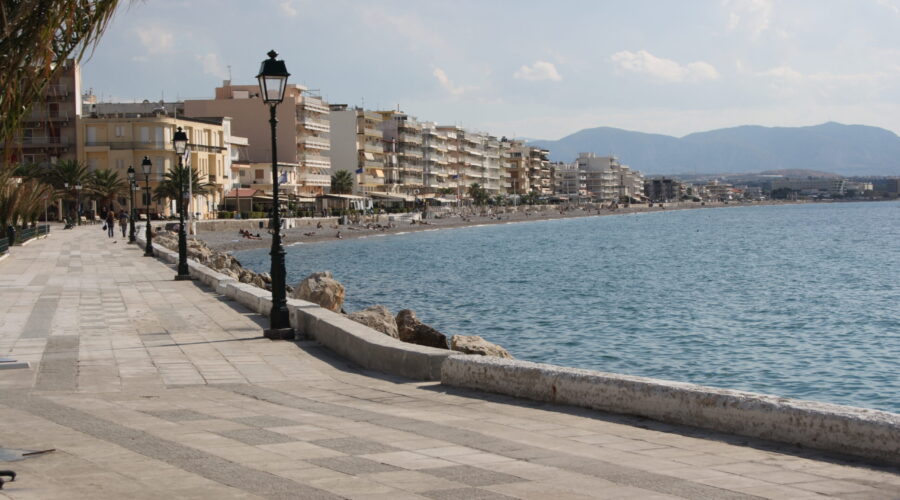
Loutraki boasts a magnificent 4-kilometer coastal promenade, perfect for a long, meditative walk by the sea. Lined with palm trees and offering unobstructed views of the Corinthian Gulf, it is the heart of the town’s social life. At the northern end of the beach, you will find the impressive artificial waterfalls. Surrounded by lush greenery and the sound of rushing water, this spot provides a cool microclimate even during the height of summer.
The Mythical Lake Vouliagmeni
A short 20-minute drive from the city center leads you to Lake Vouliagmeni (also known as the Heraion Lagoon). This is a salt-water lagoon connected to the sea via a narrow channel. The waters here are calm, warm, and incredibly clear, offering a more secluded swimming experience compared to the main beach. It is the perfect place for a quiet afternoon of reading and swimming in a protected natural environment.
The Temple of Hera and Melagavi Lighthouse
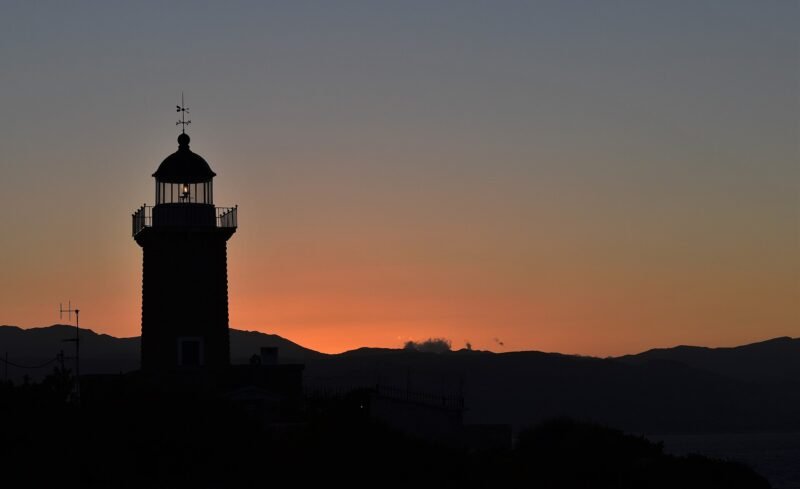
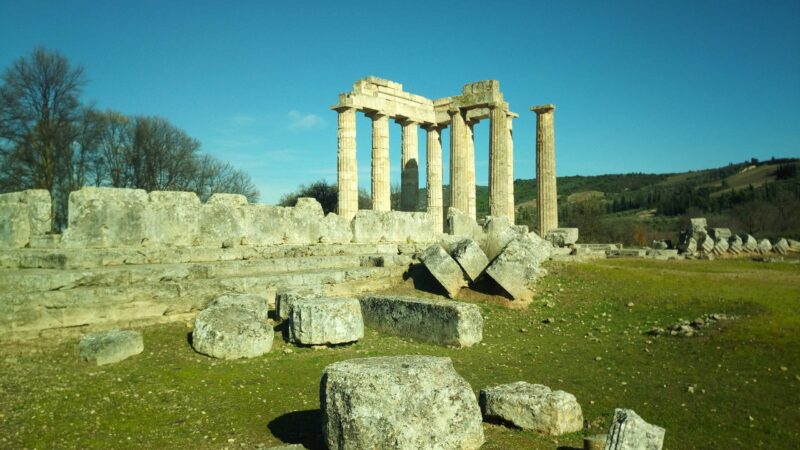
Just past the lake, at the edge of the Heraion peninsula, lies the archaeological site of the Heraion of Perachora. Standing among the ancient ruins of the Temple of Hera, which almost touch the turquoise sea, is a spiritual experience. Nearby, the Melagavi Lighthouse offers one of the most breathtaking sunsets in Greece. The combination of ancient history and the vast blue horizon provides a profound sense of peace. You can find more about this area in the αναλυτικά εδώ: https://visitcorinthia.com/blog/odigos-loutraki-ti-na-deis-kaneis/.
The Geraneia Mountains
Immediately behind Loutraki, the Geraneia massif rises to over 1,300 m. Several hiking trails climb through pine and oak forests to ridges with panoramic views over both the Corinthian Gulf to the north and the Saronic Gulf to the east. The most accessible route starts from the village of Perachora (15 km from Loutraki) and climbs to the mountain plateau. The area is part of a Natura 2000 protected zone.
The most dramatic feature of the Geraneia is its sheer limestone cliffs facing the sea — visible from the coastal road and impressive from the water. Several gorges cut through the massif; the most accessible is the ravine above the village of Psatha on the Saronic side, though reaching it requires a separate day trip from Athens rather than from Loutraki itself.
Practical Tips for Your Wellness Retreat
To make the most of your trip to Loutraki, keep these local tips in mind:
- Best Time to Visit: While Loutraki is a year-round destination, spring and autumn offer the most pleasant weather. During these shoulder seasons, the spa facilities are less crowded, allowing for a more personalized and quiet experience.
- What to Pack: If you plan to visit the Thermal Spa, remember to bring a swimsuit, flip-flops, and a swimming cap (though most centers sell them on-site).
- Hydration: Take advantage of the public drinking fountains. The water is best enjoyed fresh from the spring.
- Local Flavors: After your spa session, head to the seafront tavernas for fresh fish. The iodine-rich sea air combined with a light Mediterranean meal is the perfect conclusion to a wellness day.
How to Get to Loutraki
Loutraki is exceptionally accessible, making it an ideal choice for both day trips and extended stays.
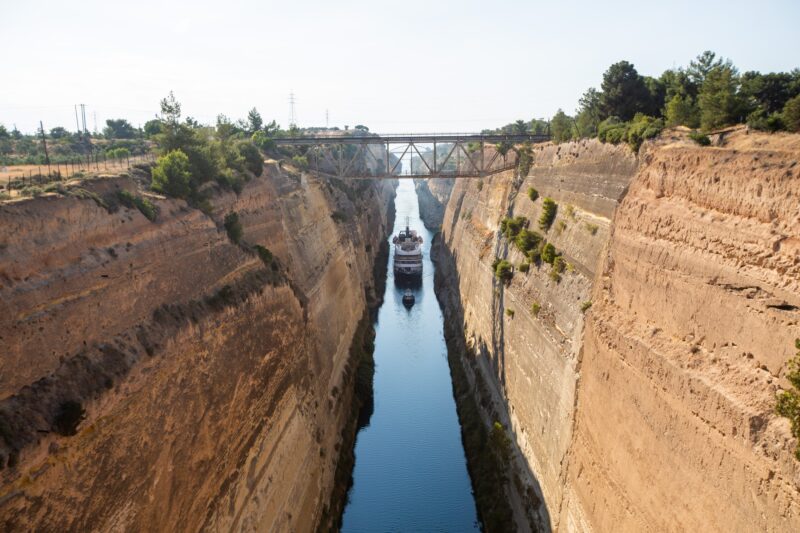
- By Car: It is approximately 80 kilometers from Athens (about a 1-hour drive) via the Athens-Corinth National Road. Simply take the “Loutraki” exit after the Corinth Canal.
- By Suburban Railway (Proastiakos): Take the train from Athens to the Corinth station. From there, a 10-minute taxi or local bus ride will bring you to the center of Loutraki.
- By KTEL Bus: Regular bus routes depart from the Kifisos Station in Athens directly to the Loutraki central bus station.
Loutraki is more than just a destination; it is an invitation to self-care. Whether you are drawn by the medical benefits of the thermal springs or simply wish to escape the pace of modern life, this “city of water” in Corinthia promises a sense of renewal that lingers long after you have left its shores.
===
Planning your visit to Corinthia?
Visit Corinthia is the travel guide for the region — hotels, tavernas, wineries and things to do, all in one place.
Related articles
Not sure where to go next?Every village, sight and beach in Corinthia on one map — save the ones you like and open the route.
Open the mapRecommended in Corinthia
 Pleiadon Gi Mountain Resort & Spa
Hospitality · Trikala
Pleiadon Gi Mountain Resort & Spa
Hospitality · Trikala
 Blank Studio Photoshootings
Services · Kiato
Blank Studio Photoshootings
Services · Kiato
 Root nature cosmetics
Shopping · Riza
Root nature cosmetics
Shopping · Riza
 To polychoro taverna
Eat & Drink · Trikala
To polychoro taverna
Eat & Drink · Trikala
 Kryoneri Cultural Association
Events · Kryoneri
Sophia Blanou — Hair & Make-up Salon
Services · Vrachati
Kryoneri Cultural Association
Events · Kryoneri
Sophia Blanou — Hair & Make-up Salon
Services · Vrachati
 Dimitra Stathi — Philologist
Services · Kiato
Dimitra Stathi — Philologist
Services · Kiato
 Lia’s Travel
Services · Kiato
Lia’s Travel
Services · Kiato
Businesses that support Visit Corinthia.
Explore more of Corinthia
Plan your trip to Corinthia
Take the trip quizThings to do there — Corinthia
Optional tours, tickets and activities for your days here — you choose what suits you.
Activities, experiences and local guides — book ahead and skip the queues.
See options →A guided day with transport from Athens to Ancient Corinth and Nafplio, with free cancellation. Also: Corinth Canal & wine tasting, Ancient Corinth half-day
See options →Compare prices from all the major rental companies, with free cancellation on most offers. Also: Loutraki, Nafplio, Argos
See options →Activities are provided and sold by our partners. You complete the booking on their own page, at exactly the same price.
Before you arrive
Arrive in Corinthia already online
Maps, ferry times, a table for tonight — all of it needs data. MyEsim is a Greek eSIM app covering Greece and 180+ countries: install the plan before you fly, and it switches on the moment you land. No queue at the airport, no roaming bill. Visit Corinthia readers get 10% off.
- Covers all of Greece
- Ready in minutes
- No physical SIM
Enter the code at checkout on myesim.gr. Works on iPhone XS and newer and on most Android phones from 2019 onwards.