
The Isthmus of Corinth: Ultimate Guide to Activities and Views
Article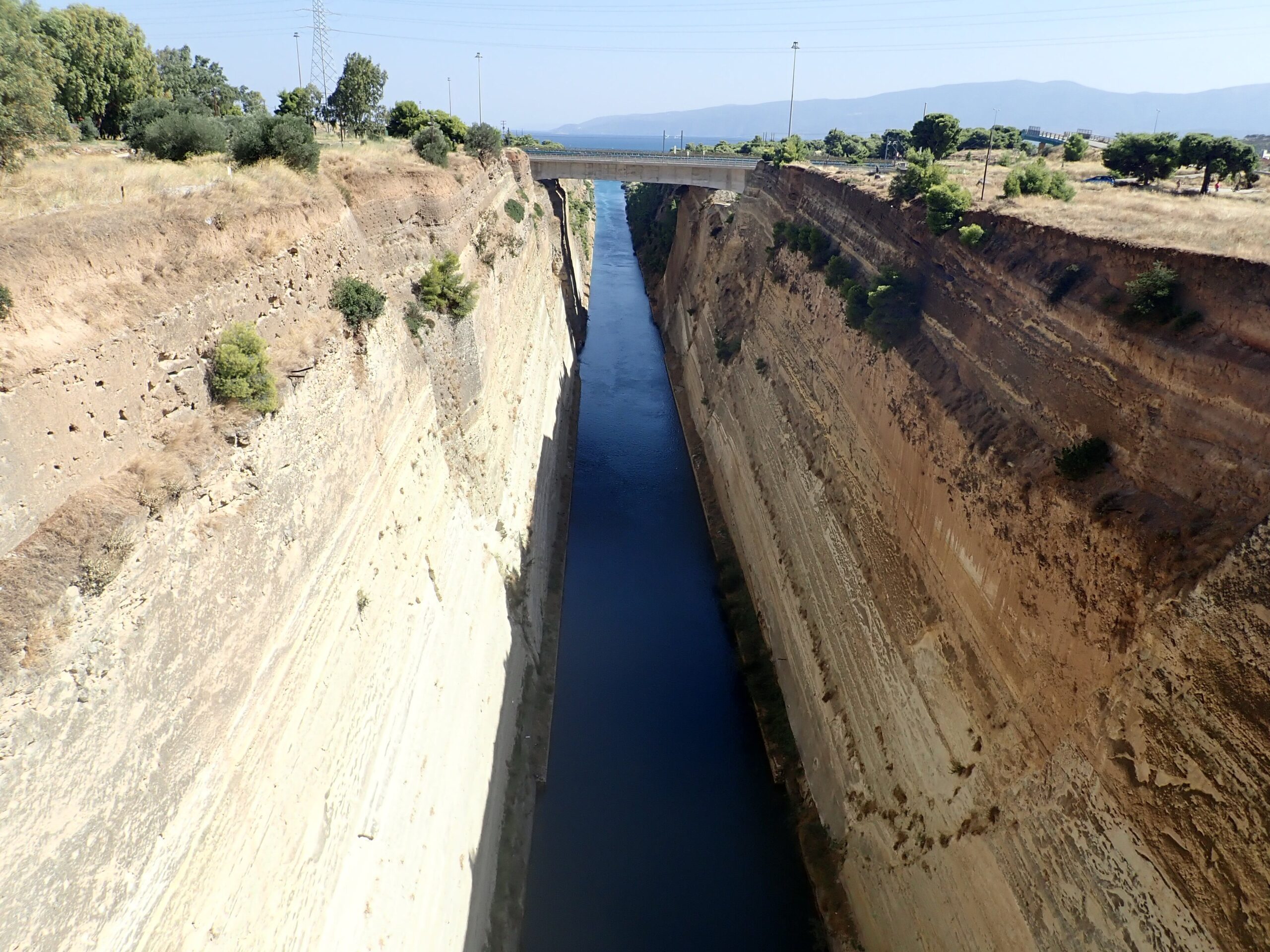
The Gateway to the Peloponnese: An Introduction to the Isthmus
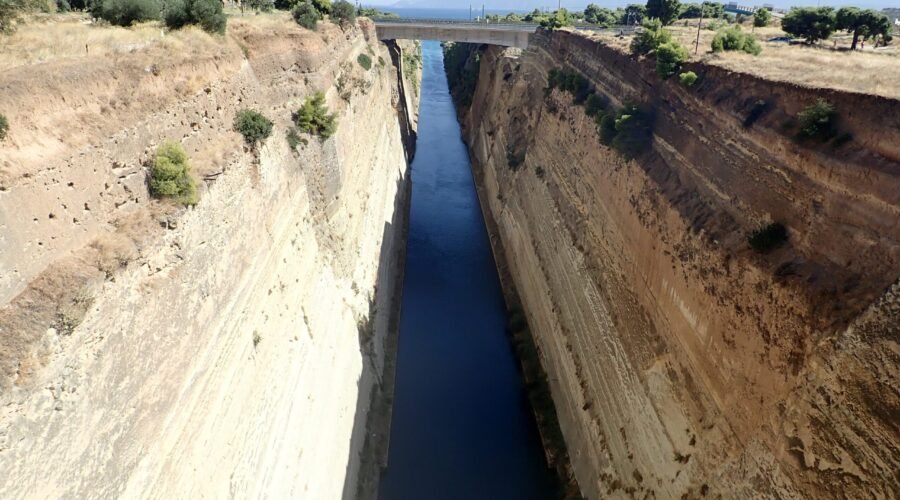
The Isthmus of Corinth is not merely a world-class engineering feat; it is the exact point where history, geography, and human determination converge. For any visitor arriving in Corinthia, the Isthmus serves as the first and most imposing stop. This narrow strip of land traditionally connected mainland Greece with the Peloponnese peninsula, while the man-made canal that now bisects it joins the Saronic Gulf with the Gulf of Corinth.
Stretching approximately 6.3 kilometers in length with limestone walls that reach heights of up to 80 meters, the Corinth Canal offers a spectacle that is quite literally breathtaking. Whether you are a history buff, an adrenaline seeker, or a photography enthusiast looking for that perfect shot, the Isthmus has something unique to offer. In this comprehensive guide, we will explore everything you need to know to make the most of your visit to this iconic Corinthian landmark, from the best vantage points to the hidden secrets of the ancient world.
The Best Vantage Points: Where to Capture the Perfect Photo
Viewing the canal from above is an experience that should not be rushed. The sheer verticality of the walls and the vibrant turquoise hue of the water below create a visual contrast that is rare to find elsewhere. To truly appreciate the magnitude of this project, there are specific locations that offer the best perspectives.
The Central Pedestrian Bridge (Isthmia)
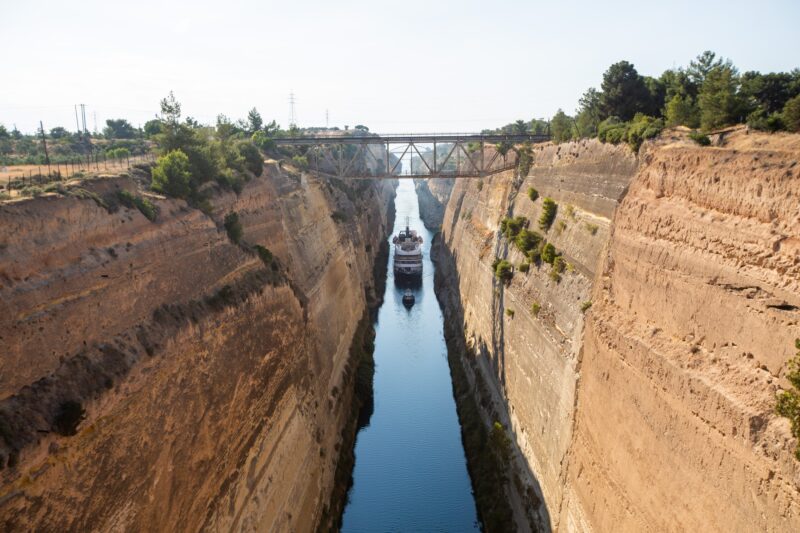
The most popular spot for visitors is the bridge located on the old national road. Here, a dedicated pedestrian walkway allows you to stand directly over the center of the canal. The sensation of the void beneath your feet, combined with the perfect symmetry of the carved rock walls, creates a stunning frame for photography. If you are lucky, your visit might coincide with the passage of a large cruise ship or a cargo vessel. Seeing a massive ship navigate such a narrow passage—with only a few meters to spare on either side—is a sight that truly highlights the scale of the canal.
The Submersible Bridges (Poseidonia and Isthmia)
A unique engineering feature of the Corinth Canal is its two submersible bridges, located at either end of the waterway. One is situated in Poseidonia (the Corinthian Gulf side) and the other in Isthmia (the Saronic Gulf side). Unlike traditional drawbridges that lift upward, these bridges actually sink into the water to allow ships to pass over them. Watching the bridge disappear into the depths and then emerge minutes later, dripping with seawater and occasionally covered in small shells or seaweed, is a fascinating process for both children and adults. The Poseidonia side, in particular, offers a lovely park-like setting where you can watch the maritime traffic in a more relaxed atmosphere.
Cruising the Canal: An Immersive Perspective from Below
While the view from the top is impressive, traversing the canal by boat is an entirely different, much more imposing experience. Being inside that narrow strip of water, with the massive limestone walls rising vertically above your head, provides a sense of scale that you simply cannot get from the bridge.
What to Expect on a Canal Cruise
Tourist cruises typically depart from the Isthmia side. During the journey, which usually lasts about 45 to 60 minutes, you will have the opportunity to observe the various geological layers of the earth. You can see the marks left by the original excavations, the different colors of the strata, and the various bridges (road, rail, and pedestrian) that “crown” the canal from above. The tranquility of the water, shielded from the wind by the high walls, creates a serene yet awe-inspiring environment. Most tour operators provide a historical commentary, explaining the trials and tribulations of the canal’s construction.
Local Tip: Be sure to bring a hat and sunscreen. Even though the walls provide some shade, the sun reflects intensely off the white limestone and the water, especially during the midday hours in the summer.
Adrenaline-Pumping Activities: Bungee Jumping and More
For those who want to feel their heart race, the Isthmus of Corinth is world-renowned as one of the most spectacular locations for bungee jumping. It is frequently cited as one of the best “urban” jumps in Europe due to the unique geometry of the canal.
Bungee Jumping over the Abyss
The jump from the bridge into the canal involves an 80-meter freefall toward the azure waters. The sensation of falling between the narrow walls is unparalleled, creating a heightened sense of speed and depth. Professional operators with decades of experience manage the site, ensuring the highest safety standards. This activity typically operates from late spring through early autumn and attracts thrill-seekers from across the globe. Booking in advance is highly recommended, especially on weekends.
Cycling and Hiking Along the Banks
If you prefer to keep your feet closer to the ground, the service roads running parallel to the canal are ideal for cycling or a scenic afternoon walk. Starting from Poseidonia, you can follow the path inland, enjoying the natural Mediterranean landscape of Corinthia. These paths are mostly flat and offer a peaceful alternative to the busy tourist bridges, allowing you to find quiet spots to sit and watch the water flow by.
A Journey Through History: From Ancient Ambition to Modern Reality
The history of the Isthmus is as dramatic as the landscape itself. The idea of cutting through the land to link the two seas dates back over 2,000 years, as the alternative—sailing all the way around the Peloponnese—was notoriously dangerous and time-consuming for ancient mariners.
- The Diolkos: Long before the canal was dug, the ancient Corinthians developed the Diolkos, a paved trackway that allowed ships to be hauled overland on wheeled platforms. You can still see well-preserved sections of the Diolkos today near the Poseidonia bridge. This was a major source of wealth for Ancient Corinth.
- Imperial Ambitions: Several historical figures attempted to dig a canal, including Periander (one of the Seven Sages of Greece), Julius Caesar, and Caligula. The most serious ancient attempt was by Emperor Nero in 67 AD, who personally broke the ground with a golden shovel. He used thousands of laborers, but the project was abandoned after his death.
- The 19th Century Completion: Following the success of the Suez Canal, work on the modern Corinth Canal began in 1882. After eleven years of financial and geological struggles, it was finally inaugurated in 1893. The project forever changed Greek shipping routes and remains a symbol of the modern Greek state’s industrial progress.
Practical Information for Your Visit
The Isthmus is exceptionally easy to access, serving as the central hub connecting Athens with the Peloponnese. It is located approximately 75 kilometers west of Athens.
How to Get There
If you are traveling by car, take the A8 (Athens-Patras) National Road and look for the exit toward Loutraki or Epidaurus to reach the old bridge area. For those using public transport, the KTEL Corinth buses run very frequently from Athens, and most will stop at the Isthmus upon request. Additionally, the Proastiakos (Suburban Railway) connects Athens directly to the Corinth station, from where a short taxi or local bus ride will take you to the canal.
When to Visit
The Isthmus is a year-round destination. However, spring (April to June) and autumn (September to October) offer the most comfortable temperatures for walking and sightseeing. If you visit in the summer, try to arrive early in the morning or late in the afternoon to avoid the peak heat and the largest crowds of tour buses. The winter months can be quite windy on the bridge, but the absence of crowds makes for a very atmospheric visit.
Dining and Local Products
The area around the central bridge is home to several cafes and souvenir shops. This is a classic “stop-over” point for Greeks traveling across the country. You must try the “souvlaki of the Isthmus,” which has gained a legendary reputation among travelers over the decades. Also, look for local Corinthian products, specifically the world-famous “Black Gold”—the Corinthian raisin (currants). These sun-dried grapes have been a staple of the local economy since antiquity and make for a healthy, authentic snack.
Nearby Excursions in Corinthia
The Isthmus is the perfect starting point for exploring the wider region of Corinthia. You can easily combine your visit with several other significant sites within a 15-20 minute drive:
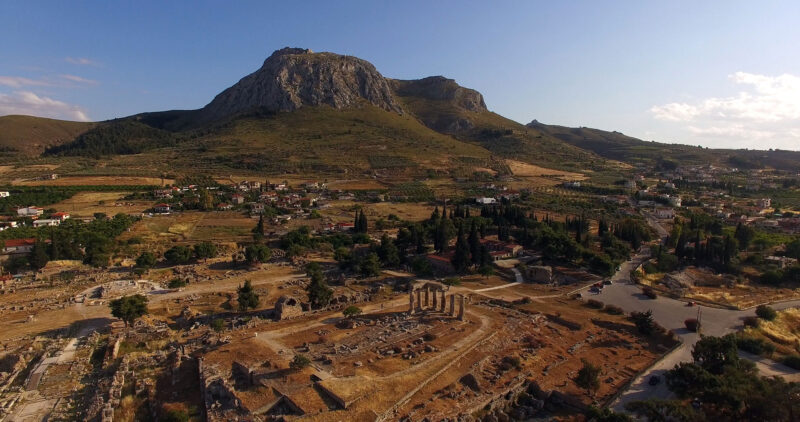
- Ancient Corinth: Visit the archaeological site to see the Temple of Apollo and the Bema where St. Paul once stood.
- Acrocorinth: The monolithic rock and medieval fortress overlooking the ancient city. It offers the most spectacular panoramic view of the entire Isthmus and both gulfs.
- Loutraki: A cosmopolitan seaside town famous for its natural thermal springs, spa facilities, and vibrant waterfront promenade.
- Kechries: The ancient eastern port of Corinth on the Saronic side, where you can still see submerged ruins near the shoreline.
Conclusion
The Isthmus of Corinth is much more than just a passage; it is a destination filled with energy, historical weight, and unparalleled beauty. Whether you are standing on the edge of the bridge feeling the wind, jumping into the void, or gliding through the turquoise waters on a boat, the experience is guaranteed to leave you with a sense of awe at both nature and human ingenuity. We look forward to welcoming you to Corinthia to discover this global monument for yourself!
Planning your visit to Corinthia?
Visit Corinthia is the travel guide for the region — hotels, tavernas, wineries and things to do, all in one place.
Related articles
Not sure where to go next?Every village, sight and beach in Corinthia on one map — save the ones you like and open the route.
Open the mapRecommended in Corinthia
 To polychoro taverna
Eat & Drink · Trikala
To polychoro taverna
Eat & Drink · Trikala
 Pleiadon Gi Mountain Resort & Spa
Hospitality · Trikala
Pleiadon Gi Mountain Resort & Spa
Hospitality · Trikala
 Blank Studio Photoshootings
Services · Kiato
Blank Studio Photoshootings
Services · Kiato
 Root nature cosmetics
Shopping · Riza
Root nature cosmetics
Shopping · Riza
 Kryoneri Cultural Association
Events · Kryoneri
Sophia Blanou — Hair & Make-up Salon
Services · Vrachati
Kryoneri Cultural Association
Events · Kryoneri
Sophia Blanou — Hair & Make-up Salon
Services · Vrachati
 Dimitra Stathi — Philologist
Services · Kiato
Dimitra Stathi — Philologist
Services · Kiato
 Lia’s Travel
Services · Kiato
Lia’s Travel
Services · Kiato
Businesses that support Visit Corinthia.
Explore more of Corinthia
Plan your trip to Corinthia
Take the trip quizThings to do there — Corinthia
Optional tours, tickets and activities for your days here — you choose what suits you.
Activities, experiences and local guides — book ahead and skip the queues.
See options →A guided day with transport from Athens to Ancient Corinth and Nafplio, with free cancellation. Also: Corinth Canal & wine tasting, Ancient Corinth half-day
See options →Compare prices from all the major rental companies, with free cancellation on most offers. Also: Loutraki, Nafplio, Argos
See options →Activities are provided and sold by our partners. You complete the booking on their own page, at exactly the same price.
Before you arrive
Arrive in Corinthia already online
Maps, ferry times, a table for tonight — all of it needs data. MyEsim is a Greek eSIM app covering Greece and 180+ countries: install the plan before you fly, and it switches on the moment you land. No queue at the airport, no roaming bill. Visit Corinthia readers get 10% off.
- Covers all of Greece
- Ready in minutes
- No physical SIM
Enter the code at checkout on myesim.gr. Works on iPhone XS and newer and on most Android phones from 2019 onwards.