
Corinthia: A Journey Full of Surprises, Nature, History and Sea
Article⚠️ Some links in this article are partner links. You complete the booking on the partner’s own page, at exactly the same price — with no extra cost to you.
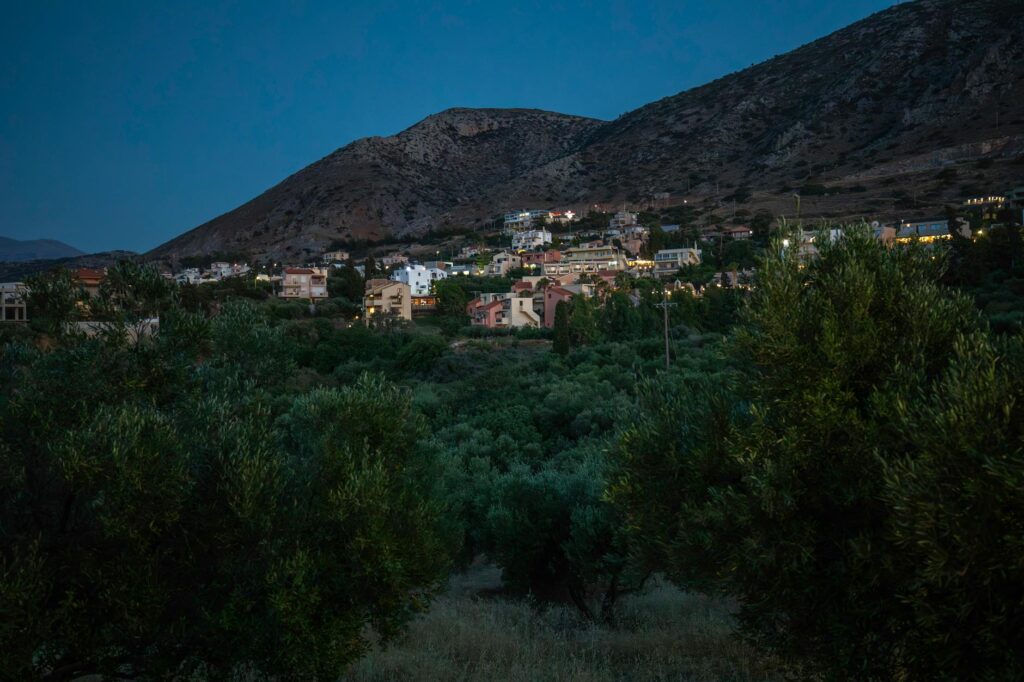
Most travellers pass through Corinthia on the way to the Mani or Sparta, barely slowing down. They’re missing one of mainland Greece’s most rewarding regions — a place where ancient myth, Byzantine ruins, crystal bays and mountain forests converge within 30 minutes of each other.
A Region of Contrasts
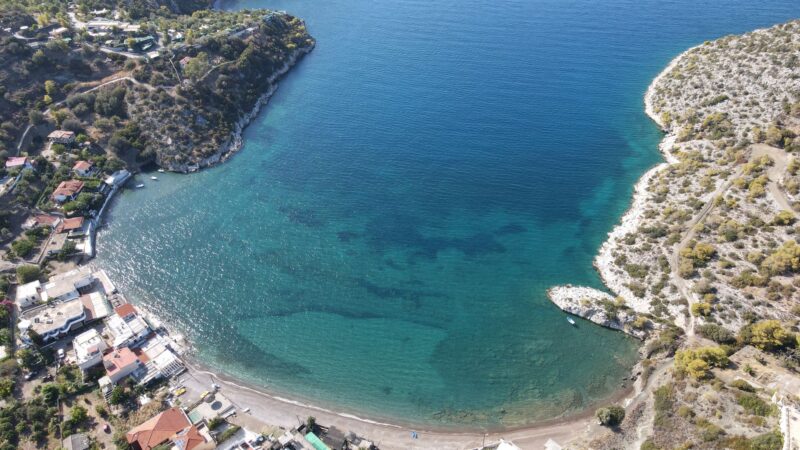
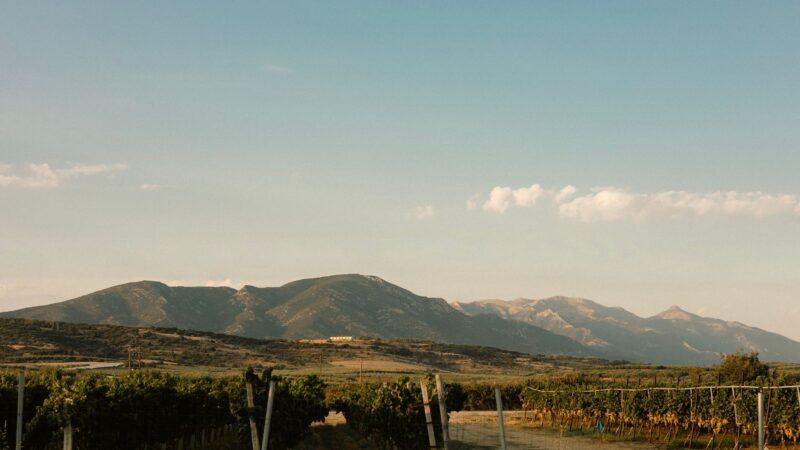
Corinthia occupies the northeastern corner of the Peloponnese, where the Corinthian Gulf meets the Saronic Sea. To the north: a long coastline with warm, calm waters ideal for swimming. To the south: the Ziria and Kyllini mountain ranges, with peaks above 2,300 m and ski slopes. Between them: olive groves, vineyards, orange orchards and scattered archaeological sites.
The distances are short. Loutraki to Lake Stymphalos — sea to mountain wetland — is 60 km. Ancient Corinth to Nemea wine country is 30 km. You can cover genuinely different landscapes in a single day without rushing, which is unusual even in Greece.
Ancient Layers
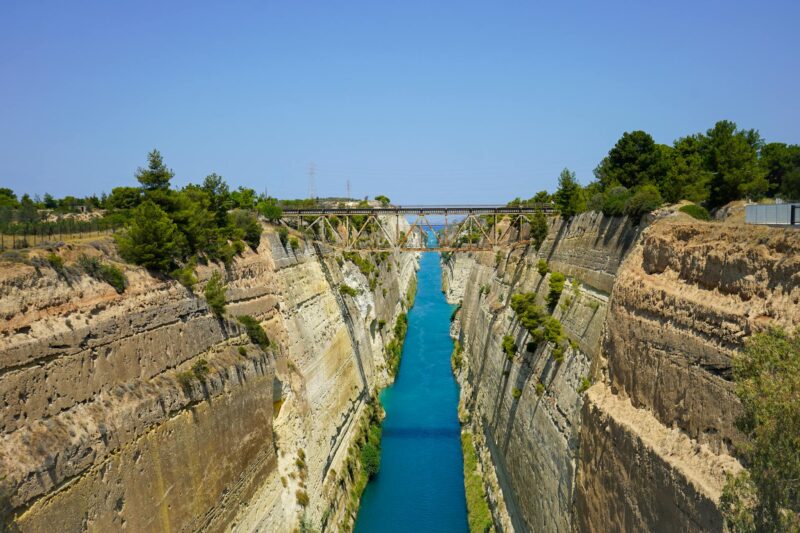
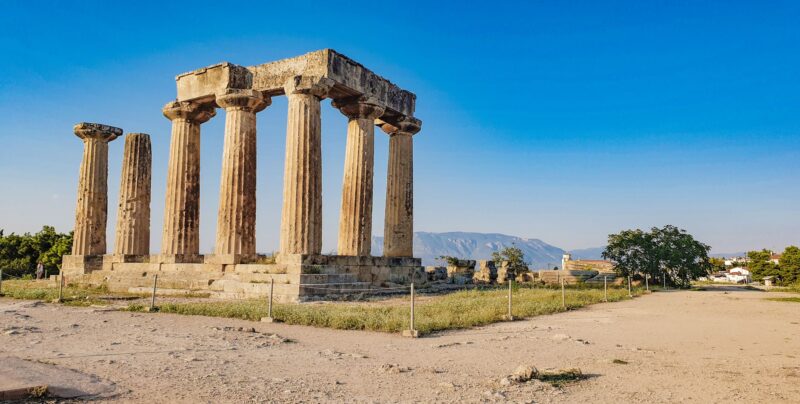
Corinth was one of the wealthiest cities of antiquity, controlling both sea routes through the isthmus. Today, the archaeological site of Ancient Corinth and the fortress of Acrocorinth stand side by side, 5,000 years of history in a single view. The Corinth Canal — one of the world’s narrowest — cuts through the limestone just 5 km away.
Beyond the obvious big sites, the region has a second tier that most visitors skip entirely: the ancient stadium at Nemea with its original starting blocks, the forgotten city of Ancient Sicyon with its well-preserved theatre, the atmospheric Heraion of Perachora above a turquoise lagoon. All freely accessible, rarely crowded, each worth a full visit.
Wine and Food
The Nemea wine zone produces Agiorgitiko — one of Greece’s great red grapes, ranging from light and fruity to structured, age-worthy bottles. Winery visits are available at Gaia, Skouras, Papaioannou and smaller producers; most don’t require advance booking outside August. The food follows the same quality: Gulf seafood in the coastal towns, mountain lamb in the villages, Corinthian currants (which gave the English word its name) and excellent local olive oil.
How to Explore
A rental car is the only realistic way to do Corinthia justice. Base yourself in Loutraki or Corinth city for coast access, or in Trikala for the mountains. Three days is enough for a solid overview; five lets you do justice to the wine country, the wetlands and the smaller villages.
Corinth station is on the main Athens–Patras rail line — a comfortable 70-minute journey from the city. From Corinth, buses cover Loutraki, Kiato and Xylokastro. But for Stymphalos, Lake Doxa, Nemea or the Heraion of Perachora, you need your own transport. Day trips from Athens by car run 75–90 minutes depending on traffic.
🗺️ Book a guided tour in the area
Browse all available experiences and guided tours — free cancellation on most bookings.
Ready to explore Corinthia?
Find the best tours, experiences and activities — book easily online.
* Affiliate links — no extra cost to you
Related articles
Not sure where to go next?Every village, sight and beach in Corinthia on one map — save the ones you like and open the route.
Open the mapExplore more of Corinthia
Book tours & tickets
Options from established partners for this area. Booking happens on their own site.
Guided visits, skip-the-line tickets and day trips, most with free cancellation.
See options →Things to do — CorinthiaActivities and local guides you can book ahead, so your day here is not spent queueing.
See options →These activities are provided and sold by our partners. You complete the booking on their own page, at exactly the same price — with no extra cost to you.
Plan your trip to Corinthia
Take the trip quizCorinthia tips by email