 visitcorinthia.com
Where to Eat in Corinthia: Restaurants, Tavernas and Local Specialties
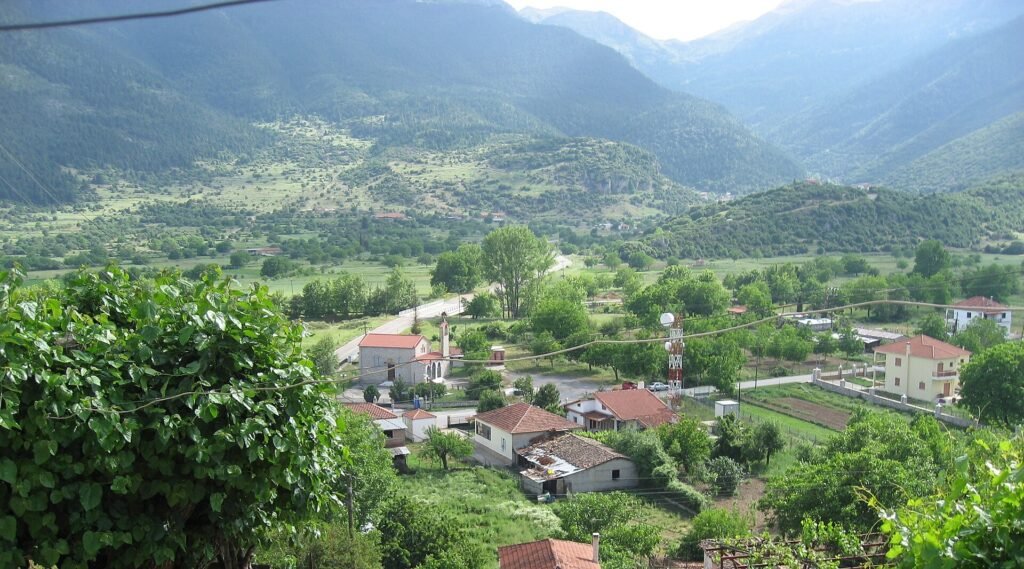
Corinthia’s food scene is rooted in the land: Nemea wine, Loutraki mineral water, Corinthian currants and raisins, mountain herbs, fresh seafood from the Gulf, and some of the best oranges in Greece. Here’s where to find the best of it.
Seafood on the Coast
The coastal strip from Loutraki to Xylokastro is lined with fish tavernas. The best are in Kiato (try the small harbour area east of the main beach) and in Loutraki’s backstreets, away from the tourist promenade. Order grilled fish by weight, calamari, sea urchin salad when in season, and whatever shellfish looks freshest that morning. The Gulf is warm and sheltered, which means the seafood — particularly mussels, sea bream and red mullet — is consistently good.
Prices are lower than on the Aegean islands and the quality is honest. Avoid the places with laminated menus and photos of the food: the real spots are usually a few streets back from the water and have a handwritten specials board. In Loutraki specifically, the backstreet tavernas around the central market area are worth seeking out.
Meat and Grill in the Villages
Head inland to Nemea, Stymphalos or Trikala for the other side of Corinthian cooking: lamb chops, local sausages (loukaniko spiced with orange peel), slow-roasted kid, and thick bean soups in winter. Village tavernas in this region often have no written menu — the owner will tell you what was cooked that day, and the answer is almost always the right one.
The best of these places don’t advertise online. Ask in the village kafeneio where locals eat and follow that advice. In Nemea particularly, several family-run tavernas serve food that pairs directly with the local wine — and they will absolutely recommend a bottle from a neighbour’s winery.
Local Products Worth Seeking Out
Corinthian raisins (Vostizza PDO) have been exported since antiquity and are genuinely different from ordinary raisins — smaller, more intensely flavoured, with a slight tartness. The thyme honey from the mountain villages is equally good. Local producers sell both at the weekly markets in Corinth city (Thursday) and Xylokastro (Wednesday morning), as well as from roadside stalls on the main roads through Nemea.
Nemea Agiorgitiko is the obvious wine choice, but Corinthia also produces good white wines from Roditis grapes grown in the higher vineyards. The cooperative stores in Nemea and Feneos village sell local products at fair prices directly from producers.
Wine in Nemea
The Nemea PDO zone produces some of Greece’s most acclaimed red wines. Wineries open for visits include Gaia (consistently excellent, great cellar tour), Papaioannou (smaller, more personal), Skouras (good range of styles) and several smaller producers worth discovering. Book ahead in July and August; the rest of the year most welcome walk-in visitors.
A tasting session at a Nemea winery runs €10–20 per person and typically includes five or six wines with some food. Driving from a winery to a local taverna for lunch is the natural next step — allocate most of a day if you plan to visit two wineries and eat properly.
Related articles
Scan to open the page with maps, photos and updates.
Printed on: 21/10/2026