 visitcorinthia.com
Spring Break in the Corinthian Riviera: The Perfect Early-Season Escape
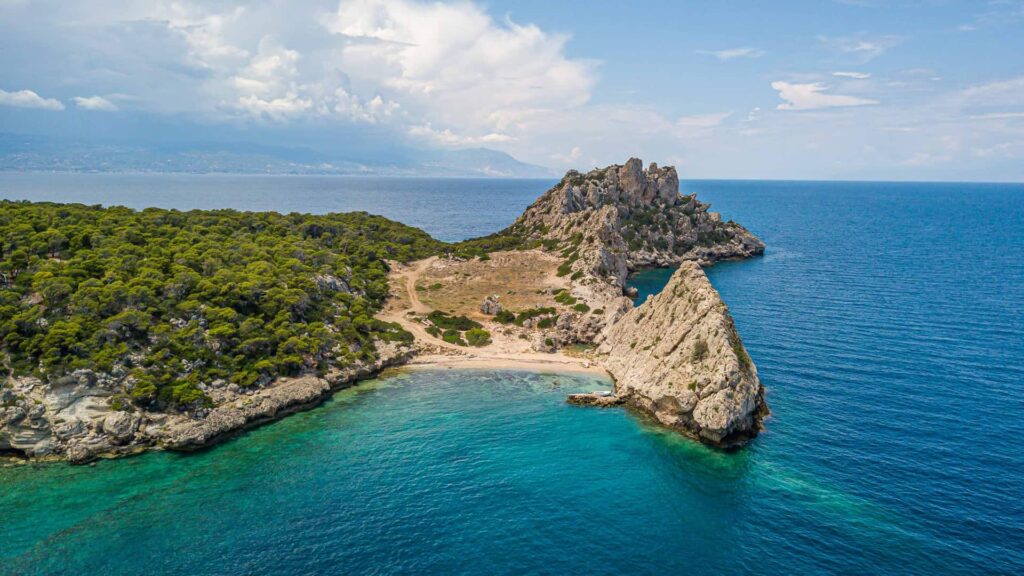
While most of Greece is still shuttered in March and April, the Corinthian Riviera is already warming up. The thermal waters of Loutraki are delightful year-round, the coastal road from Kiato to Xylokastro bursts into wildflowers, and you’ll share the beaches with almost nobody. Spring is arguably the best season to visit Corinthia.
The Weather Window
From mid-March, daytime temperatures on the coast sit comfortably between 18–24°C — warm enough for long walks and café terraces, cool enough for archaeological sites without the summer heat. The sea is still cold for swimming until May, but the landscape is green and vivid in a way that summer’s bleached hills never match.
The other advantage: crowds. Ancient Corinth, the Corinth Canal and Acrocorinth all get busy in July and August. In March and April you’ll have them almost to yourself. The sites look better too — photographers know that spring light on limestone is far more flattering than the flat brightness of August noon.
What’s Open
Unlike many Greek islands, Corinthia’s main attractions operate year-round. Ancient Corinth, the Canal, Acrocorinth and Nemea — all open. Most Loutraki hotels run through the year, with better rates and immediate availability. Restaurants along the coastal road tend to open from Easter; a handful close only in January and February.
The Loutraki Hydrotherapy Centre is open year-round and runs thermal treatment programmes as well as day-use options. The Nemea wineries are particularly welcoming in spring — no need to book ahead, and the vineyards are green with new growth. This is when the year’s vintage is still ageing and the producers have time to talk properly.
Spring Highlights
Drive the coastal road from Loutraki to Xylokastro on a clear morning: the water is deeply blue, the citrus groves are flowering, and the Corinthian Gulf shimmers below the peaks of the northern Peloponnese. Stop at Kiato for a fresh fish lunch at the harbour; continue to Xylokastro for an espresso on the waterfront promenade under the eucalyptus trees.
Inland, the Mogostos oak forest in March and April is at its most dramatic — wild anemones and orchids carpet the floor, and the dawn chorus in the canopy is worth waking up early for. Lake Stymphalos in spring is equally rewarding: the wetland fills fully and birdlife is at its peak before the summer dry-out.
Where to Stay in Spring
Loutraki is the obvious base — wide hotel choice, good value in spring, and central for day trips in every direction. For a quieter option, several agrotourism guesthouses operate in Nemea and the mountain villages of Trikala and Feneos year-round. Easter week in particular is busy with Greek domestic visitors, so book accommodation a few weeks ahead if travelling then.
A Simple Spring Itinerary
Day 1: Arrive Loutraki. Evening promenade, thermal spa session. Day 2: Ancient Corinth and Acrocorinth in the morning (light is best early); Heraion of Perachora in the afternoon, swim in the lagoon if the water’s warm enough. Day 3: Drive to Nemea for the archaeological site and a winery visit; stop at the Mogostos forest on the way back. Three full days, no rush, genuinely memorable.
Related articles
Scan to open the page with maps, photos and updates.
Printed on: 21/10/2026