 visitcorinthia.com
Mogostos Oak Forest: An Ancient Forest Refuge in Corinthia
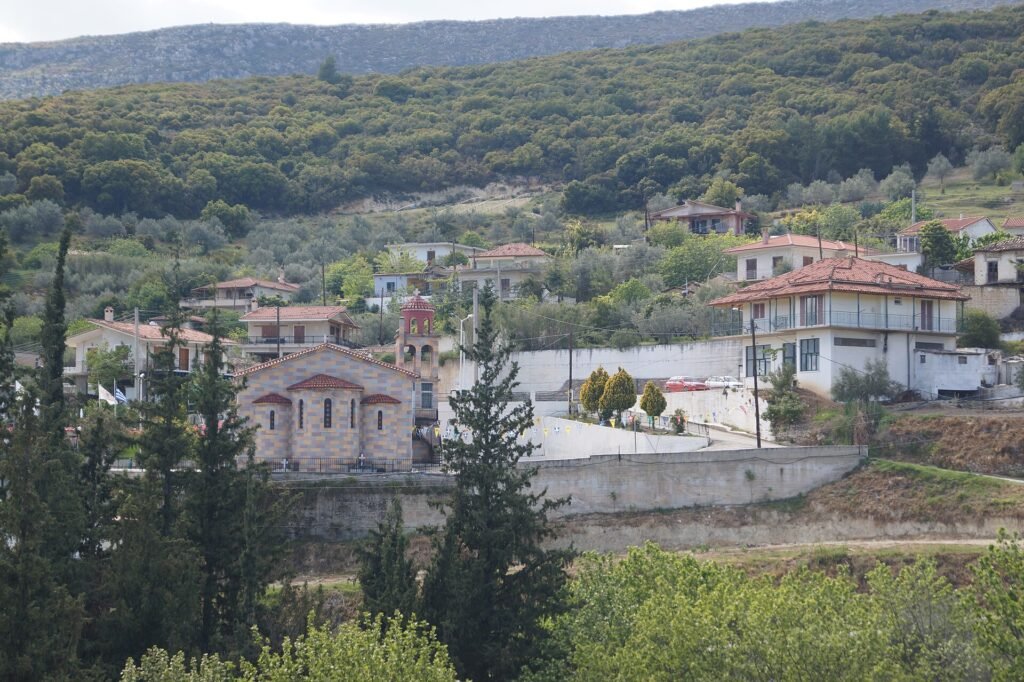
A dense oak forest covering the hills between Corinth and Nemea, the Mogostos forest is one of the few old-growth woodlands surviving in the northeastern Peloponnese. Walking through it feels genuinely ancient — massive gnarled oaks some over 500 years old, dappled light, and near-total silence.
The Forest
The forest covers roughly 1,500 hectares on the slopes of the Geraneia mountains. The dominant species is the Valonia oak (Quercus ithaburensis), whose massive acorn cups were historically harvested for tanning leather. The understorey is rich with wild herbs, anemones in spring, and numerous bird species year-round.
Many of the oldest trees are between 300 and 500 years old — gnarled, massive, with canopies that block out the light and create an atmosphere unlike anywhere else in the northeastern Peloponnese. In the densest sections, the moss-covered roots and twisted trunks feel more like northern Europe than Greece. The silence is real; you’ll hear birds and wind but very little else.
Walking Routes
Several unmarked trails cross the forest, connecting the villages of Mogostos, Xylokeriza and Sofiko. The best route follows the ridge line south from the village of Mogostos, with views over both the Corinthian Gulf and the Saronic Sea on a clear day. The round trip takes 3–4 hours and is suitable for fit walkers without technical equipment.
Navigation requires some map-reading — the trails are not waymarked and can be faint in places. Download a GPS track from Wikiloc before you go, or ask locally in Mogostos village (15 km from Corinth toward Sofiko). The forest floor can be muddy after rain; waterproof boots are worth bringing from October to April. There are no facilities in the forest — bring food and water.
Wildlife
The forest is a recognised habitat for birds of prey, including short-toed eagle and long-eared owl. In spring the dawn chorus is exceptional — set an early alarm. Wild boar are present but shy; deer appear at forest edges at dusk. Greek tortoise and several snake species are common in the warmer months. Walk quietly, stick to the path, and wildlife stays out of your way.
When to Visit
Spring (March–May) is the most rewarding season: wildflowers carpet the floor, birds are at their noisiest, and the oaks have new foliage. Autumn brings gold and copper. Summer is cooler than the coast but can be hot in the middle of the day — start before 8am. The forest is freely accessible year-round, with no entry fee.
The nearest services are in Sofiko village (12 km) or back in Corinth. There is no visitor centre, no café and no water source inside the forest. Plan accordingly — this is one of those places that rewards preparation and punishes the casual visit.
Combining with Nemea
Mogostos is roughly 30 km north of Nemea — easily combined in a single day. Morning in the forest, lunch at a village taverna in Sofiko or Xylokeriza, then an afternoon at the Nemea archaeological site followed by a winery visit before the drive back. It’s a good introduction to the interior of Corinthia that most visitors who stick to the coast never reach.
Scan to open the page with maps, photos and updates.
Printed on: 21/10/2026