 visitcorinthia.com
Local Products of Corinthia: A Gastronomic Treasure Map
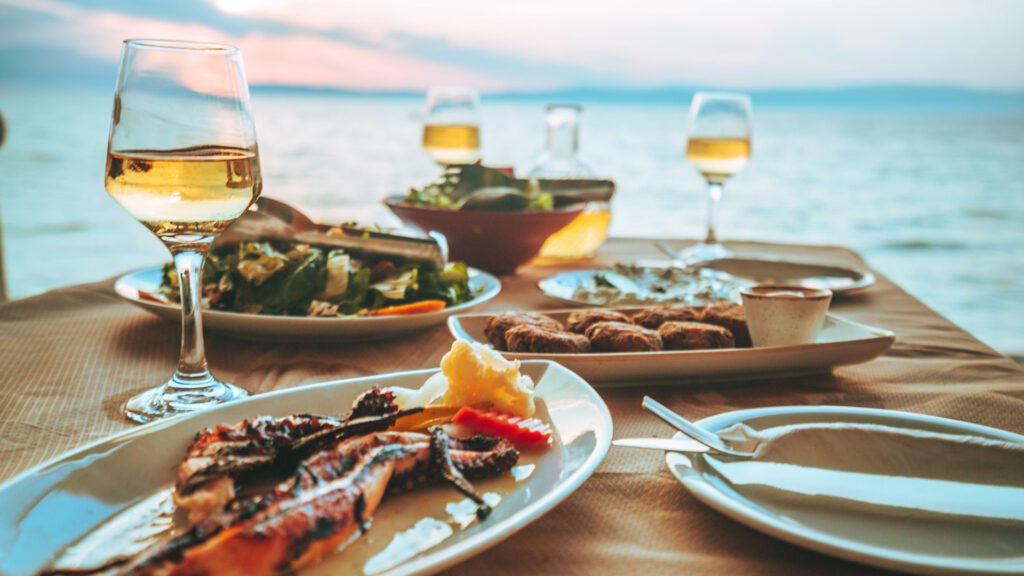
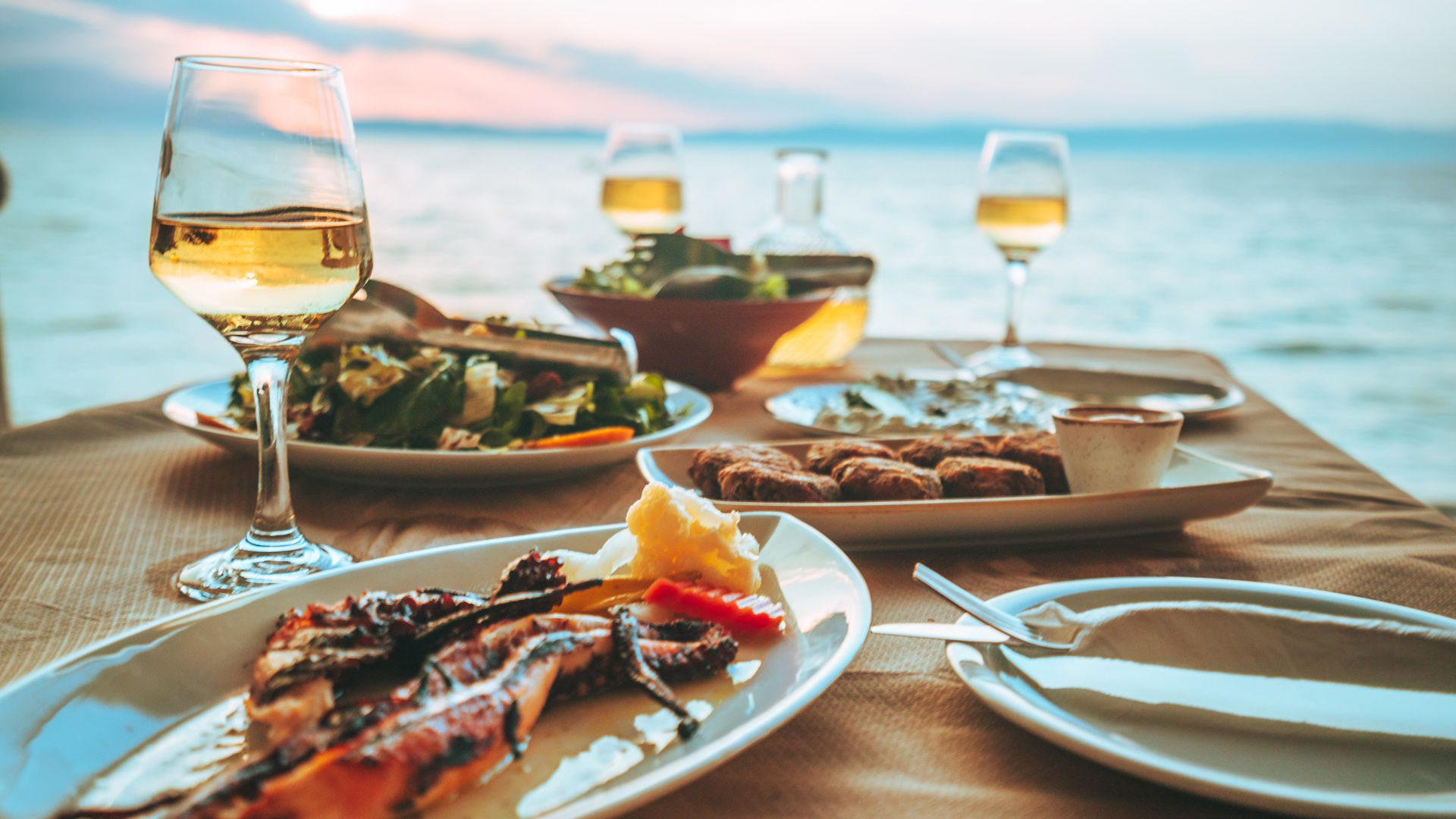
The Land of Corinthia: A Paradise of Flavors
Corinthia, a region blessed with unique geographical diversity, stands as one of Greece’s most significant gastronomic destinations. From the fertile coastal plains of the Corinthian Gulf to the high-altitude vineyards of Nemea and the fir-covered slopes of Mount Ziria (Kyllini), the Corinthian land produces goods that form the very backbone of the Mediterranean diet. Local products here are not just food items; they are the living history, tradition, and culture of a place that has learned to cultivate with love and profound respect for nature.
For the modern traveler, exploring Corinthia through its flavors is a journey of the senses. Whether you are tasting a robust red wine overlooking the ancient ruins of Nemea or drizzling golden olive oil over a salad in a seaside taverna, you are participating in a culinary ritual that spans millennia. This guide explores the “treasures” of the Corinthian earth, offering insight into what makes them unique and how you can experience them during your visit.
Corinthian Raisins: The “Black Gold” of the Region
The black Corinthian raisin (Vitis vinifera L., var. Apyrena) is undoubtedly the most iconic product of the prefecture. With a history stretching back to antiquity, the raisin was the driving force behind the region’s economy during the 19th century. Its export success led to the rapid development of port towns and urban centers such as Kiato and Xylokastro, funding the construction of magnificent neoclassical mansions that still stand today.
Characteristics and Cultivation
This is a small, seedless grape variety that is naturally dried under the powerful sun of the Peloponnese. Corinthia provides the ideal microclimate—a perfect balance of sea breezes and dry air—which imparts a unique sweetness and intense aroma to the fruit. Known internationally as “Zante Currants” (a corruption of the word “Corinth”), they are now recognized as a “superfood” due to their exceptionally high content of antioxidants, potassium, and dietary fiber.
- When to look for them: The harvest takes place in August. You can see the raisins drying on special “alonia” (threshing floors) in the sun. The fresh, packaged crop is typically available from early autumn.
- Where to find them: You can purchase them throughout Corinthia, from local agricultural cooperatives in Kiato to small traditional product shops in the mountain villages.
Nemea Wine: The Legendary “Blood of Hercules”
Nemea is the largest Protected Designation of Origin (PDO) zone for red wine in Greece. Here, the Agiorgitiko variety reigns supreme. This is one of the most noble and versatile red grapes in the Mediterranean, capable of producing everything from light, refreshing rosés to deep, complex reds built for long aging.
The Wine Road Experience
A visit to Corinthia is incomplete without a tour of the Nemea vineyards. The landscape, characterized by rolling hills blanketed in vines, bears a striking resemblance to Tuscany. The Agiorgitiko grape produces wines with a deep ruby color, rich aromas of red fruits like cherry and blackberry, and velvety tannins. Local legend says the wine gets its deep color from the blood of the Nemean Lion, slain by Hercules in his first labor.
Practical Tips for Wine Lovers
- Visiting Wineries: Many wineries in the Nemea region are “Open to the Public,” offering guided tours of the production areas, cellars with oak barrels, and structured wine tastings. It is often best to call ahead and book a slot.
- Great Days of Nemea: If you are in the area during the first weekend of September, you can participate in this annual festival celebrating the harvest with wine tastings, music, and cultural events.
Corinthian Olive Oil: Liquid Gold
Olive oil is the cornerstone of Corinthian cuisine. The olive groves of the region, some of which feature trees that are hundreds of years old, produce extra virgin olive oil of exceptional quality, characterized by its low acidity and rich sensory profile.
Varieties and Quality
In Corinthia, the primary varieties cultivated are Manaki and Koroneiki. Olive oil from the Manaki variety is famous for its mild, sweet aroma and balanced flavor, featuring notes of citrus and flowers, making it ideal for delicate dishes like fish and salads. The Koroneiki variety provides a more intense, peppery finish and a high concentration of polyphenols (natural antioxidants). The coastal plains surrounding Ancient Corinth and the slopes of the Troizinia area are particularly renowned for their production.
Many local olive mills have modernized their facilities, utilizing cold extraction methods to ensure that all the nutritional benefits and aromatic qualities of the fruit remain intact from the grove to the bottle.
Honey from the Corinthian Mountains
Mountainous Corinthia, with the rich biodiversity of Mount Ziria and the Feneos valley, provides the perfect environment for beekeeping. Corinthian honey is prized for its purity and therapeutic properties, often winning international awards for its taste and texture.
Varieties of Honey
- Fir Honey (Elatis): Produced at high altitudes in the coniferous forests. It is a thick, cream-colored honey with a low sugar content that rarely crystallizes. It has a distinct, woody aroma.
- Flower and Thyme Honey: Found in the coastal and semi-mountainous regions, where bees forage on Mediterranean herbs and wildflowers, resulting in a highly aromatic and bright golden honey.
Local beekeepers continue a tradition that dates back centuries, moving their hives according to the season to follow the various blossom cycles of the Peloponnesian flora.
The Pulses of Feneos: A Mountain Treasure
While raisins and wine get much of the spotlight, the plateau of Feneos produces some of the finest pulses in Greece. The most famous is the “Feneos Vanillia Bean” (PDO), a small, white, oval bean known for its thin skin and sweet, buttery taste. Because of the unique soil composition and microclimate of the Feneos basin (at 600m altitude), these beans cook quickly and are incredibly easy to digest. They are a staple of the local winter diet, often served as a thick soup (fasolada) or baked in the oven.
Practical Information: Shopping and Transport
How to Get There
Corinthia is exceptionally accessible, making it easy for visitors to embark on a gastronomic safari:
- From Athens: Via the Olympia Odos (A8 motorway), the city of Corinth is just a one-hour drive away.
- Proastiakos (Suburban Railway): This rail line connects Athens and the International Airport directly with Corinth and Kiato, with departures nearly every hour.
- Local Travel: To truly explore the “hidden” producers—the mountain honey farms in Feneos or the boutique wineries in the hills of Nemea—renting a car is highly recommended, as public transport to rural agricultural sites is limited.
Where to Buy Local Products
- Agricultural Cooperatives: Visit the cooperatives in Kiato and Xylokastro for raisins and oil. These organizations ensure that the profits go directly back to the farmers.
- Local Farmers’ Markets (Laiki Agora): Every major town (Corinth, Loutraki, Kiato) has a weekly market day. Here, you can meet the producers and buy seasonal fruits, vegetables, and olives at their freshest.
- Delicatessens and Cellars: In the city centers, you will find specialized shops that curate the best of the region’s wines and packaged goods, often offering vacuum-sealed options perfect for travel.
Local Tips for the Foodie Traveler
To experience the best of Corinthian gastronomy like a local, keep these tips in mind:
- Try “Petimezi”: This is a traditional syrup made from boiled grape must. It is a natural sweetener used in baking or drizzled over yogurt and pancakes. It’s an ancient recipe that remains popular today.
- Look for Local Cheeses: The mountainous regions of Ziria produce excellent feta and graviera. Pair them with a glass of Nemean Agiorgitiko for a classic Peloponnesian snack.
- Visit in the Off-Season: Autumn (September-October) is magical in Corinthia. You can witness the grape harvest and the olive harvest begins shortly after, allowing you to taste the “agourelaio” (the first, bright green olive oil of the season).
Conclusion
The local products of Corinthia are a mirror of the land itself. They represent the hard work of its people, the warmth of the Peloponnesian sun, and a heritage that has been passed down through generations. Whether you are a connoisseur of fine wines or someone simply seeking the purest ingredients for a healthy diet, Corinthia will reward you with flavors that linger long after your journey ends. We invite you to explore our vineyards, groves, and mountains to discover these treasures for yourself!
===TAGS===
Gastronomy, Nemea Wine, Corinthian Raisins, Peloponnese Food, Local Products
Planning your visit to Corinthia?
Visit Corinthia is the travel guide for the region — hotels, tavernas, wineries and things to do, all in one place.
Related articles
Scan to open the page with maps, photos and updates.
Printed on: 17/10/2026