 visitcorinthia.com
Lake Doxa & Feneos: A Guide to the “Switzerland” of Corinthia
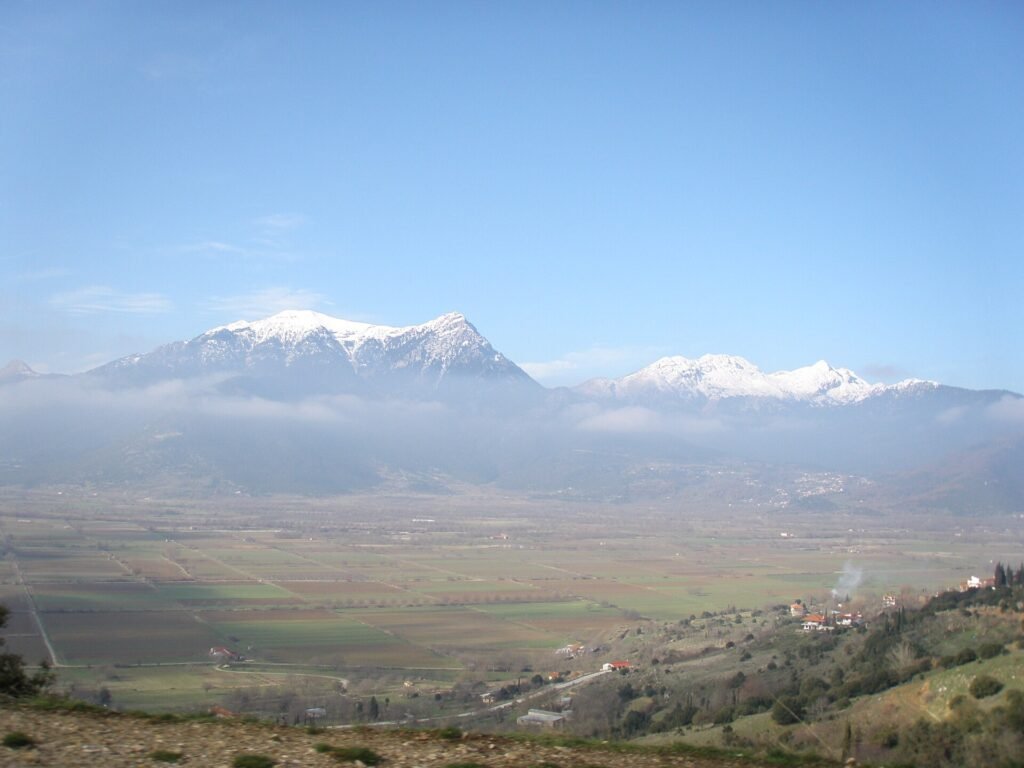
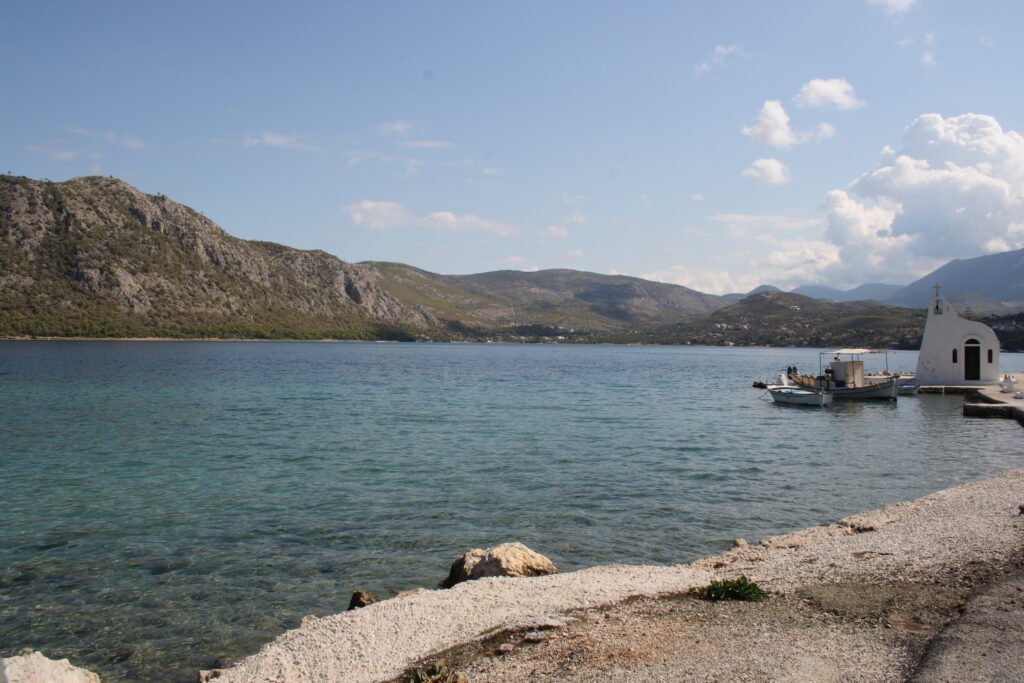
Mountainous Corinthia is undoubtedly one of Greece’s most enchanting destinations, offering a dramatic shift in landscape that frequently evokes the spirit of the Alps. At the very heart of this rugged region lies Lake Doxa and the expansive Feneos valley—a place where untamed nature and age-old traditions exist in perfect harmony. Often referred to by locals and travellers alike as the “Switzerland of Corinthia,” this area provides a unique escape from the hustle of urban life, located just a few hours’ drive from both Athens and the city of Corinth.
Whether you are looking for a rigorous mountain adventure, a spiritual retreat, or a deep dive into the flavours of the Greek countryside, the Feneos plateau delivers an experience that is both authentic and breathtaking. The combination of high-altitude peaks, crystalline waters, and stone-built villages makes this one of the most photogenic corners of the Peloponnese.
Lake Doxa: The Azure Jewel of Feneos
Lake Doxa is an artificial lake situated at an altitude of approximately 900 metres. Created in the late 1990s with the construction of a dam to manage the local water supply, it is a rare example of a man-made project that has integrated so seamlessly with the environment that it feels as though it has been there since antiquity. The lake’s calm, emerald waters act as a perfect mirror, reflecting the surrounding fir-covered peaks of Mount Ziria (Kyllini), Mount Chelmos, and Mount Dourdouvana.
The most recognizable landmark of the lake is the small, picturesque chapel of Agios Fanourios. It sits at the end of a narrow strip of land that extends into the water, creating the illusion that the church is floating in the centre of the lake. This spot is the most photographed location in Mountainous Corinthia and serves as an ideal starting point for a quiet stroll. The peninsula is accessible by foot, and the view looking back toward the mountains from the chapel steps is truly awe-inspiring, regardless of the season.
The History and Legend of the Waters
Before the dam was built, the Feneos plateau had a long and turbulent relationship with water. For centuries, the Doxa River would frequently flood the valley, destroying crops and forcing residents to adapt to a changing landscape. There are local legends dating back to antiquity about “katavothres” (underground sinkholes) that Hercules supposedly dug to drain the plain. With the completion of the modern dam, the irrigation problems were solved, and a premier ecotourism destination was born. On the lakebed, during periods of exceptionally low water levels, it is said that one can still see the remains of the old Monastery of St. George, which was relocated to higher ground centuries ago to escape the rising waters.
The Monastery of Agios Georgios Feneos
Perched on the mountainside just a short distance above the shores of Lake Doxa is the historic Monastery of Agios Georgios (St. George). This 17th-century architectural gem is a cornerstone of the region’s cultural and religious identity. Beyond its spiritual significance, the monastery played a vital role during the Greek War of Independence in 1821, as its abbot and monks were initiated into the “Filiki Etaireia” (Society of Friends) and helped prepare the uprising in the region.
A visit to the monastery is highly recommended for two specific reasons. First, the monastery’s traditional wooden balcony offers arguably the most spectacular panoramic view of Lake Doxa and the entire Feneos valley below. It is the perfect spot for quiet reflection and photography. Second, the monks are famous for their hospitality, specifically their traditional “spoon sweet” made from rose petals. The roses are cultivated directly in the monastery’s gardens, and the resulting preserve is a fragrant, sweet treat that has become a hallmark of the Feneos experience. Inside the main church (the Catholicon), visitors can admire the intricate gold-plated iconostasis and well-preserved frescoes that showcase the religious artistry of the post-Byzantine period.
The Villages of Feneos: Tradition and Authenticity
The Feneos valley is ringed by several traditional villages, each maintaining its own distinct character. To truly understand the soul of Corinthia, one must explore these settlements where time seems to move at a slower pace.
- Goura: As the largest village and administrative centre of the region, Goura is a must-visit. Situated at 950 metres on the slopes of Ziria, it is famous for its grand 19th-century stone mansions and its beautiful central square. The square is dominated by a large stone church and surrounded by traditional cafes and taverns under the shade of ancient plane trees. It is the ideal base for those looking for luxury guesthouses or a lively atmosphere.
- Feneos (formerly Panigiri): One of the most authentic and quietest villages, Feneos is characterized by its stone architecture and narrow alleys. It offers a glimpse into the traditional rural life of the Peloponnese.
- Mesino: Located very close to the lake, Mesino serves as a central hub for travellers. It is a great place to stop for supplies or to chat with locals about the best hiking paths in the vicinity.
- Mosia: Built on a slope overlooking the Feneos plain, Mosia offers a unique vantage point of the agricultural activity in the valley. The view of the patchwork fields from here is particularly beautiful in the morning light.
- Steno: A tiny village swathed in greenery and known for its natural springs. It is a perfect example of the “hidden” Corinthia, where hospitality is warm and the surroundings are lush.
Outdoor Activities and Nature
The Feneos region is a natural playground for outdoor enthusiasts. The diverse topography—from the flat lake circuit to the steep mountain ridges—provides options for all fitness levels.
Hiking and Mountaineering
Dozens of trails crisscross the area, starting from the lake or the surrounding villages. One of the most rewarding (though challenging) hikes is the ascent to the peak of Mount Dourdouvana. The trail takes you through dense fir forests and opens up to views that span across the Peloponnese to the Gulf of Corinth. For those seeking something less strenuous, the forest roads around Lake Doxa provide gentle, shaded walks perfect for families.
Cycling and Horseback Riding
The road encircling Lake Doxa is approximately 4.5 kilometres long and almost entirely flat, making it one of the best spots for leisurely cycling in Greece. During the spring and summer months, local operators often provide horses for guided rides along the lakeshore. This “equestrian” experience is particularly popular with children and provides a romantic way to see the scenery.
Picnicking and Relaxation
The banks of Lake Doxa are well-maintained, featuring wooden benches and shaded spots under the pines and firs. It is widely considered one of the best picnic spots in the country. Many visitors bring local cheeses and bread from the villages and spend the afternoon simply enjoying the silence and the crisp mountain air.
Gastronomy: The Flavours of the Feneos Valley
You cannot claim to have visited Feneos without tasting its world-renowned local products. The unique microclimate and mineral-rich soil of the plateau produce some of the highest-quality legumes in Greece.
- Feneos Beans (Gigantes and Vanilles): These beans have received PGI (Protected Geographical Indication) status. The “Vanilles” variety is small, white, and incredibly tender, known for its sweet taste and quick cooking time.
- Feneos Fava: Made from the “lathouri” plant, this fava is exceptionally creamy and rich in flavour, often served with local olive oil and onions.
- Local Meats and Dairy: The taverns in Goura and the surrounding villages specialise in “tis oras” (grilled-to-order) meats. Look for local lamb, goat, and wild boar. Don’t forget to try the Ziria Feta, a spicy and hard white cheese produced by local shepherds.
- Honey and Walnuts: The dense fir forests are home to numerous beehives, producing a dark, thick honey that pairs perfectly with the walnuts grown in the valley.
Combining With Stymphalos
Lake Stymphalos — a Natura 2000 wetland 20 km southeast of Doxa — can be combined in a single mountain day. Drive from the coast to Feneos, walk part of the Doxa perimeter, drive to Stymphalos for birdwatching or a walk along the wetland trail, then return via Nemea for a late afternoon winery visit. It’s a full day, covers three distinct ecosystems, and barely touches a tourist in any direction.
Practical Information for Your Visit
To make the most of your trip to Lake Doxa and Feneos, keep these practical tips in mind:
How to Get There
From Athens, the most common route is via the Athens-Patras National Road. Take the exit for Kiato and follow the signs toward Stymphalia. After passing the historic Stymphalia Lake, continue uphill toward Feneos. The drive is scenic, passing through vineyards and mountain passes. Alternatively, for a more adventurous route, you can exit at Derveni and take the winding mountain road upward; this route offers incredible views of the Corinthian Gulf before you disappear into the alpine interior.
When to Visit
Lake Doxa is truly a year-round destination, with each season offering a different palette:
- Autumn: This is perhaps the most beautiful time. The deciduous trees turn shades of gold and crimson, reflecting in the water and creating a scene reminiscent of New England or the Canadian Rockies.
- Winter: Snow often covers the peaks and the lakeshore, turning the region into a white wonderland. It is the perfect time for cozying up by a fireplace in a Goura guesthouse.
- Spring: The snowmelt fills the lake to its maximum level, and the plateau becomes a carpet of wildflowers. It is the best time for hiking.
- Summer: While the coast swelters, the high altitude of Feneos provides a refreshing cool breeze. It is a popular escape for those looking to avoid the summer heat.
What to Bring
Even in the height of summer, temperatures in the mountains can drop significantly once the sun goes down. A light jacket or sweater is essential. If you plan on hiking, sturdy footwear is a must. While there are many natural springs with crystal-clear water, it’s always wise to carry a reusable bottle to stay hydrated during your explorations.
Summary
Lake Doxa and Feneos represent the “other” Greece—a world away from the crowded islands and sun-baked beaches. This is a place of deep forests, soaring peaks, and quiet waters. It is a destination that invites you to slow down, breathe deeply, and reconnect with the natural world. Whether you are searching for mountain adventure or the simple pleasure of a traditional meal in a stone-built village, the “Switzerland of Corinthia” will exceed your expectations and leave you with memories that last a lifetime.
===TAGS===
Lake Doxa, Feneos, Mountainous Corinthia, Nature Travel, Peloponnese
Planning your visit to Corinthia?
Visit Corinthia is the travel guide for the region — hotels, tavernas, wineries and things to do, all in one place.
Related articles
Scan to open the page with maps, photos and updates.
Printed on: 11/10/2026